

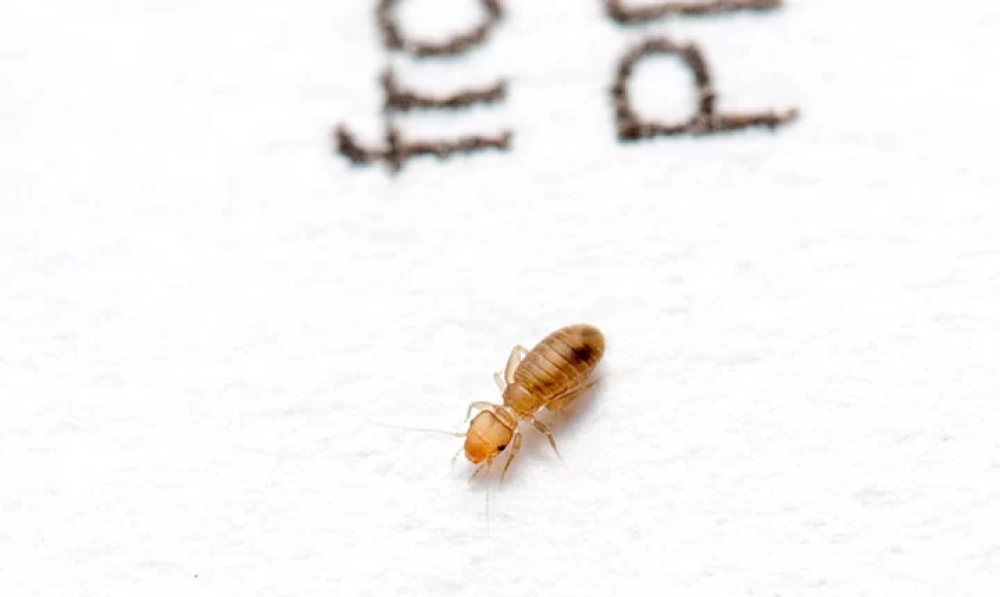
Having problems with booklice?
Booklice are tiny insects often found in damp indoor areas. While they usually cause only minor issues, their presence is a strong sign of excess moisture or poor ventilation. You may spot them near food cupboards, wallpaper, books, soft furnishings, or damp plaster.
Newly built properties can also attract booklice while plaster and building materials continue to dry out.
Most importantly: they do not bite humans.
Professional Booklice Control Services in the UK
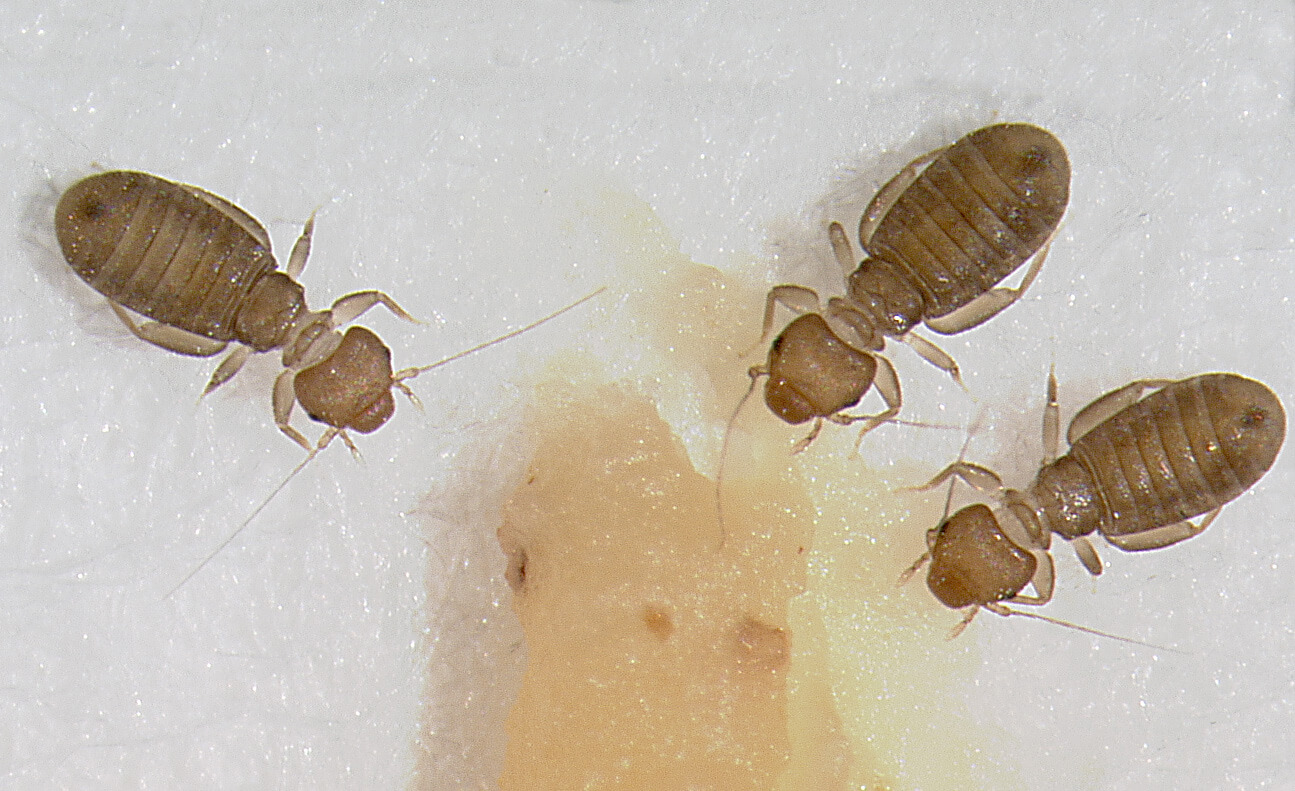
Booklice are often mistaken for bedbug nymphs due to their tiny size and pale appearance — but they are very different pests. Booklice belong to the order Psocoptera and are not true lice. Unlike bedbugs, they do not bite and do not feed on blood. Instead, they feed on mould, fungi, and starchy residues found in damp indoor environments.
Why Booklice Appear Indoors
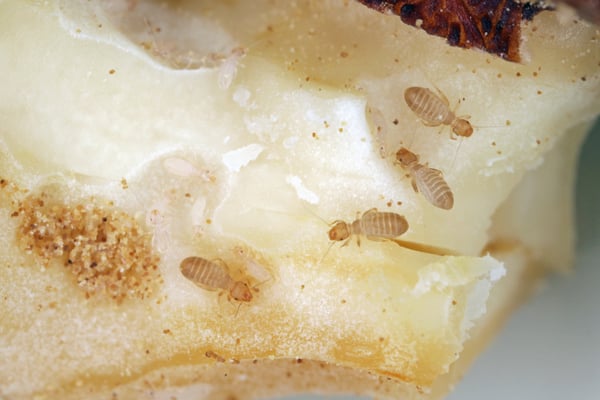
The key driver behind a booklice problem is nearly always humidity and moisture. They thrive where mould and organic build-up can form — which is why infestations often show up in cupboards, around damp plaster, or behind wallpaper.
Where Booklice Are Commonly Found
- Food cupboards, pantries, and wooden shelving
- Bookshelves (feeding on microscopic mould in paper, glue, and bindings)
- Behind wallpaper, skirting, and damp wall areas
- Poorly ventilated rooms with condensation or mould growth
Do Booklice Cause Damage?
Although booklice are not dangerous, they can become a nuisance in large numbers. They may contribute to:
- Damage to books and paper materials (by feeding on mould present on surfaces)
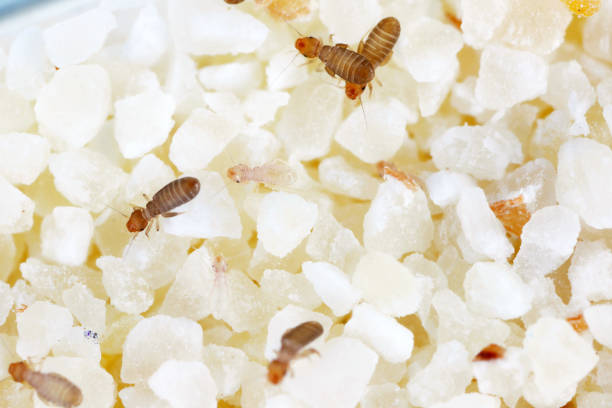
- Contamination concerns in dried food products such as flour, cereals, and powdered goods
- Persistent infestations if humidity and mould are not addressed
How We Help
At Shire Pest Solutions, we focus on both the visible insects and the underlying cause. If booklice keep appearing, it usually means moisture levels are still too high. We can assess the environment, advise on humidity reduction, and apply targeted treatments when required.
Prevention Tips That Actually Work
- Reduce indoor humidity (dehumidifiers are often the quickest win)
- Improve airflow and ventilation in cupboards and storage areas
- Fix leaks, damp patches, and condensation issues
- Remove mould and organic residue thoroughly
- Store dried foods in airtight containers
If you’re unsure whether you’re dealing with booklice or another pest (such as bedbugs), get in touch — we’ll help you identify the issue and recommend the most effective solution.
Booklice Control FAQ
More About Shire Pest Solutions
Shire Pest Solutions is a trusted and local pest control company proudly serving homes and businesses across Oxfordshire and beyond. We have built our reputation on professionalism, reliability, and fast response times, specialising in the safe and effective removal of pests including ants, wasps, rodents, bed bugs, and more.
Our expert technicians hold full qualifications and use the latest tools and treatments to resolve pest problems quickly and safely—without unnecessary disruption. Whether you face a minor domestic issue or a large-scale commercial infestation, we design our services to meet your needs with minimal fuss and maximum effectiveness.
Based locally, we regularly assist customers in Didcot, Wallingford, Abingdon, Wantage, Witney, Newbury, Thame, Thatcham, and Stokenchurch. Our knowledge of the local area enables us to provide rapid call-outs and treatments that are suited to the unique pest challenges of each location.
At Shire Pest Solutions, we don’t just eliminate pests—we stop them from returning. We offer transparent pricing with no hidden fees, and we dedicate ourselves to customer satisfaction, making us the go-to pest control provider for homeowners, landlords, and commercial clients alike.
Contact us today to arrange a call-out or find out more about our pest control services across Oxfordshire and surrounding areas.
Recent Comments