

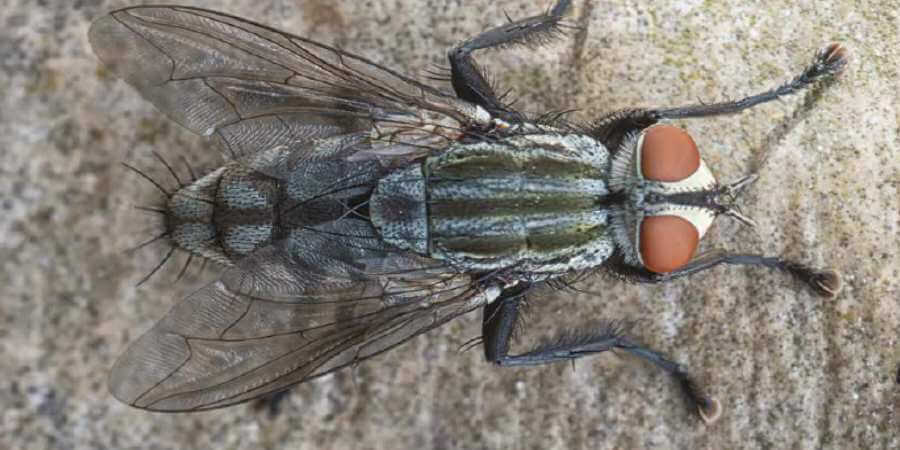
Having problems with cluster flies?
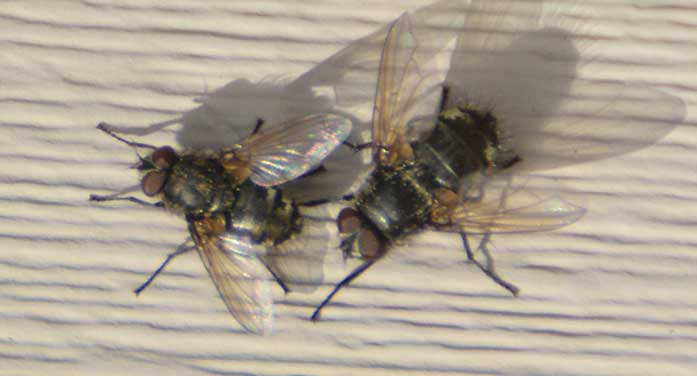
Cluster flies are a seasonal nuisance that often appears when the weather cools. They typically enter buildings in late summer and autumn to find sheltered places to hibernate, then reappear on sunny winter days around upstairs windows and roof spaces.
They do not usually breed indoors, but they can gather in large numbers in lofts, wall cavities, and attics — which is why infestations can feel sudden and persistent year after year.
Professional Cluster Fly Control Services in the UK
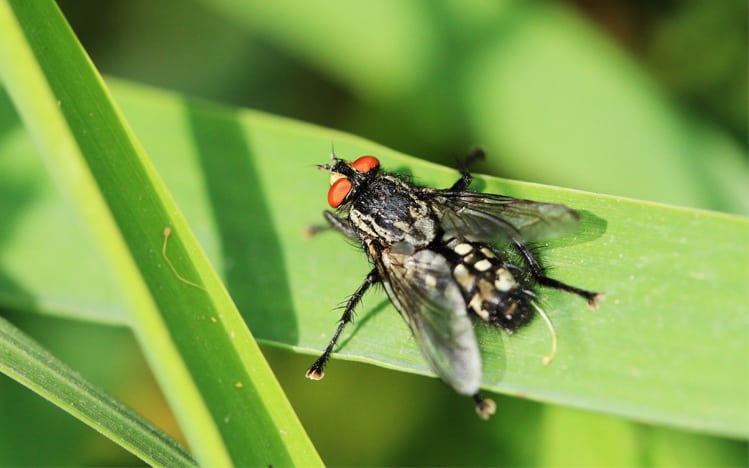
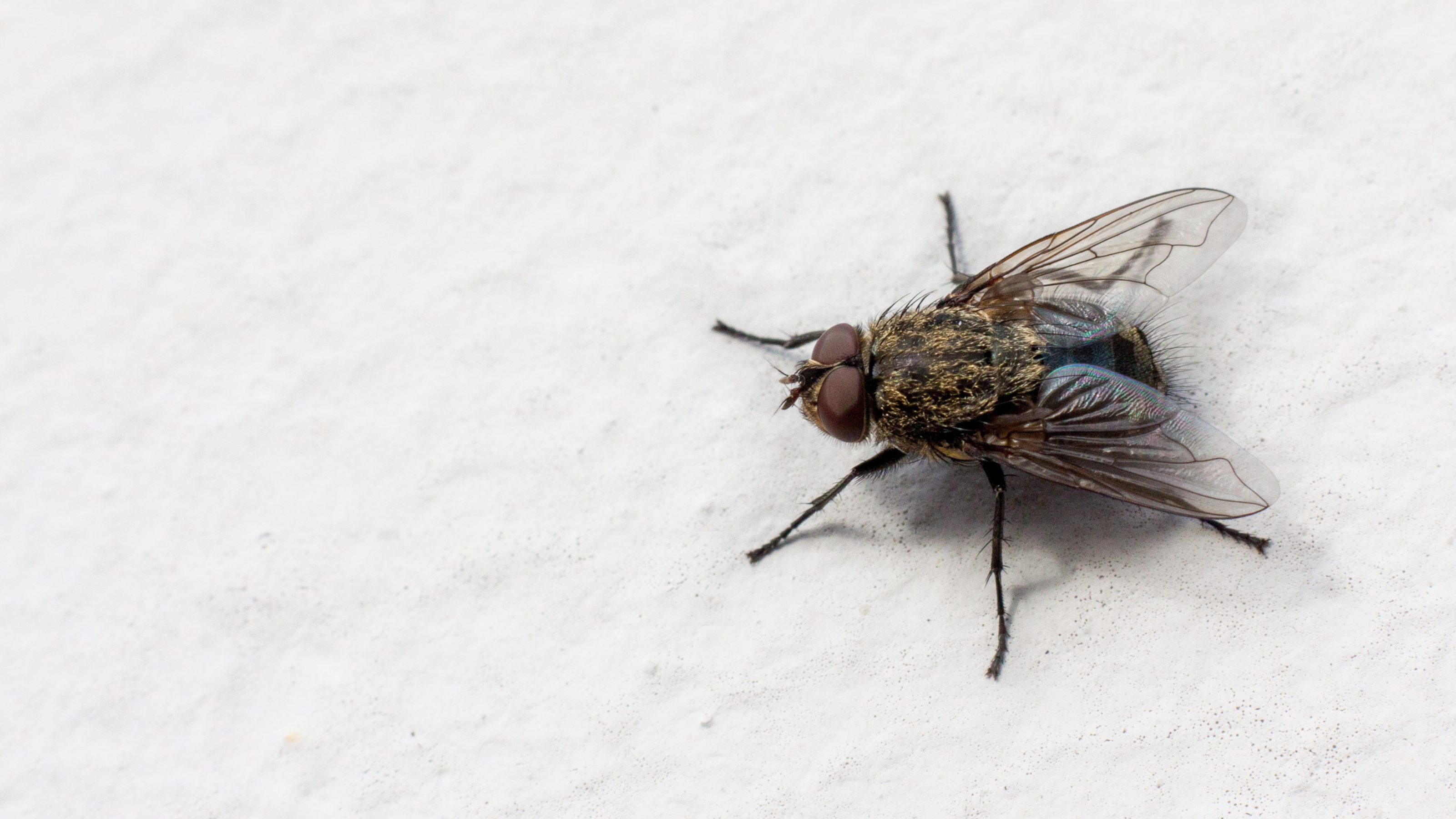
Cluster flies are often mistaken for houseflies, but they behave very differently. They are usually slower, slightly larger, and they become a problem mainly because they enter buildings in large numbers to hibernate over winter. While they are not known to spread disease, they can cause significant disruption through staining, odours, and repeated seasonal reappearance.
Why Cluster Flies Gather in Buildings
As temperatures drop in late summer and early autumn, adult cluster flies look for warm, dark, and undisturbed places. Lofts, roof voids, attics, and wall cavities are ideal overwintering sites — especially if entry points like vents, gaps under tiles, soffits, or cracks around the roofline are easy to access.
Common Signs of Cluster Flies
- Slow-moving flies gathering around upstairs windows or roof lights
- Large groups seen in loft spaces, eaves, or wall voids
- Dead flies collecting in corners, window sills, or behind insulation
- Staining on walls and window frames from fly activity
Do Cluster Flies Cause Harm?
Cluster flies are not considered a direct health risk. They do not usually breed indoors or feed on human food waste. However, heavy infestations can cause unpleasant odours, staining, and persistent nuisance behaviour — particularly when warmer spells bring them out of hibernation.
How We Control Cluster Flies
Because cluster flies hide in difficult-to-reach spaces, effective control needs the right approach:
- Inspection: Identify entry points and harbourage areas (often roof and loft related).
- Residual treatment: Apply professional-grade insecticides in key areas to reduce numbers and prevent reactivation.
- Prevention guidance: Advise on proofing, vent screening, and sealing likely access routes.
Best Time to Treat
Late summer to early autumn is the most effective time for preventative treatments — before the flies settle into loft spaces for winter. If you are already experiencing activity indoors, we can still treat and help reduce numbers, but prevention gives the strongest long-term result.
If cluster flies are returning seasonally, contact Shire Pest Solutions for a tailored treatment plan and long-term prevention advice.
Cluster Fly Control FAQ
More About Shire Pest Solutions
Shire Pest Solutions is a trusted and local pest control company proudly serving homes and businesses across Oxfordshire and beyond. With a reputation built on professionalism, reliability, and fast response times, we specialise in the safe and effective removal of pests including ants, wasps, rodents, bed bugs, and more.
Our expert technicians are fully qualified and equipped with the latest tools and treatments to ensure pest problems are resolved quickly and safely—without unnecessary disruption. Whether it’s a minor domestic issue or a large-scale commercial infestation, we tailor our services to meet your needs with minimal fuss and maximum effectiveness.
Based locally, we regularly assist customers in Didcot, Wallingford, Abingdon, Wantage, Witney, Newbury, Thame, Thatcham, and Stokenchurch. Our knowledge of the local area enables us to provide rapid call-outs and treatments that are suited to the unique pest challenges of each location.
At Shire Pest Solutions, we don’t just eliminate pests—we help prevent them from returning. With transparent pricing, no hidden fees, and a dedication to customer satisfaction, we are the go-to pest control provider for homeowners, landlords, and commercial clients alike.
Get in touch today to arrange a call-out or learn more about our pest control services across Oxfordshire and surrounding areas.
Recent Comments