

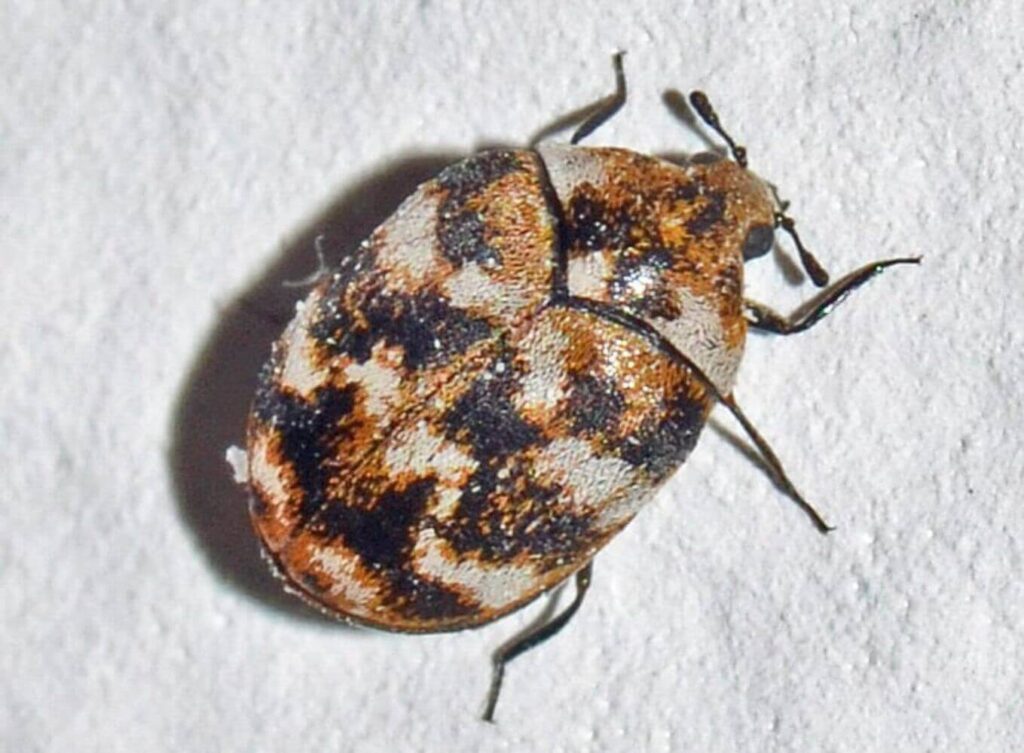
Having problems with carpet beetles?
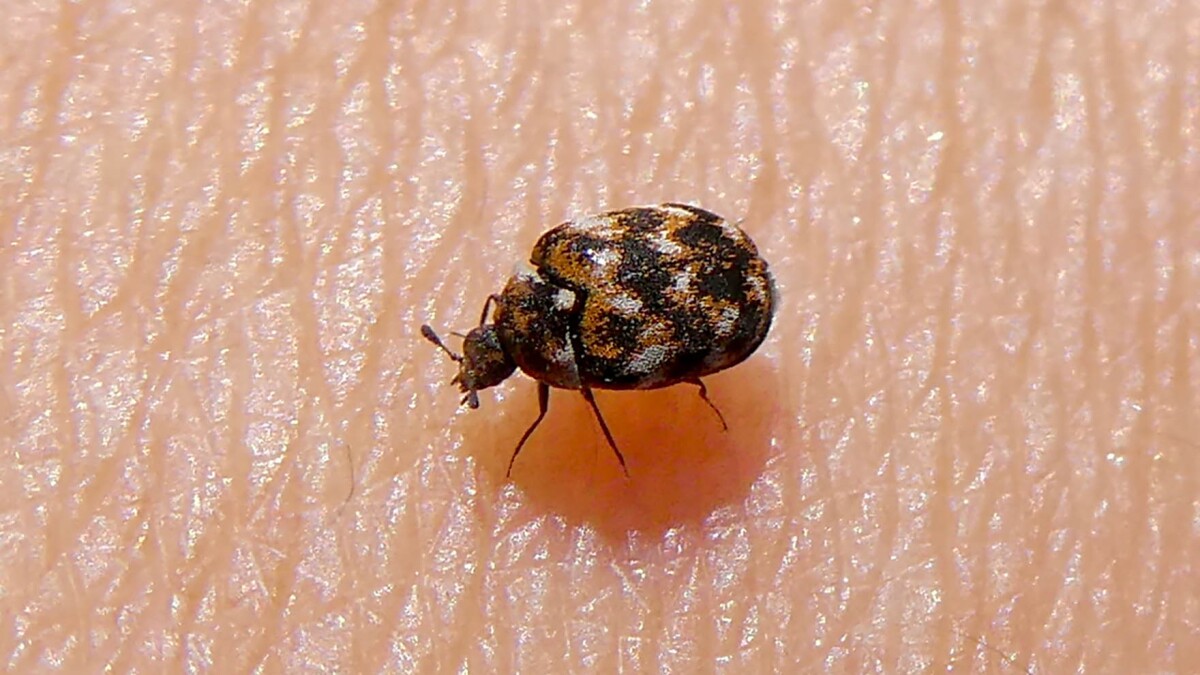
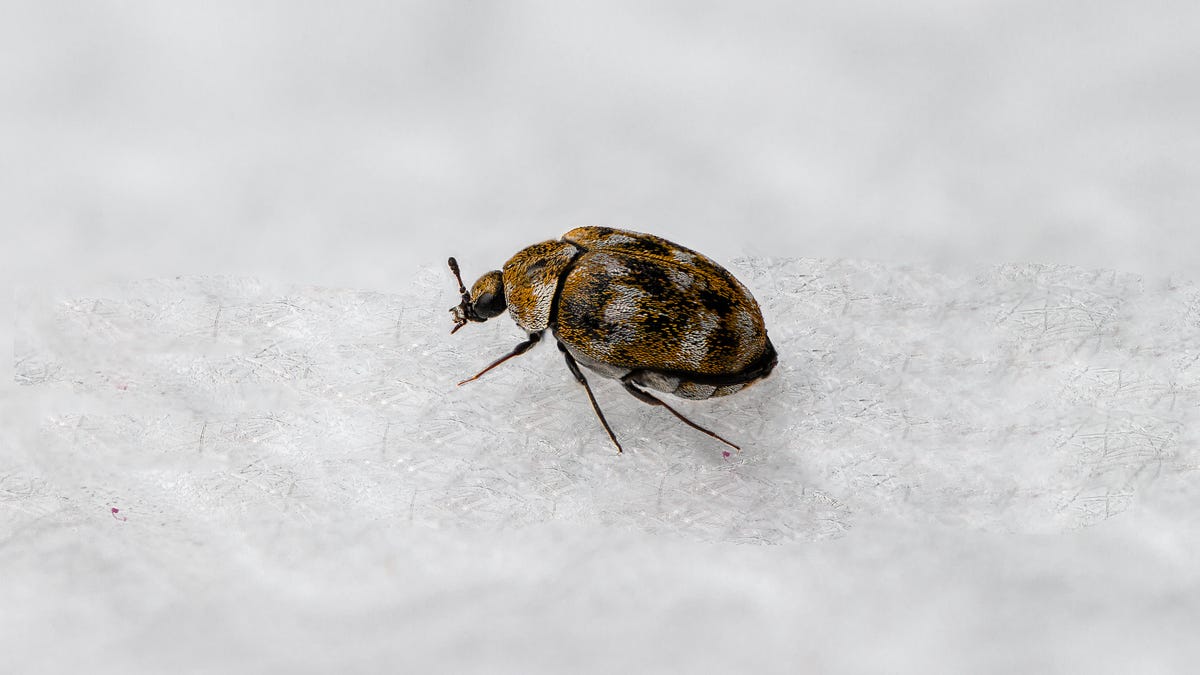
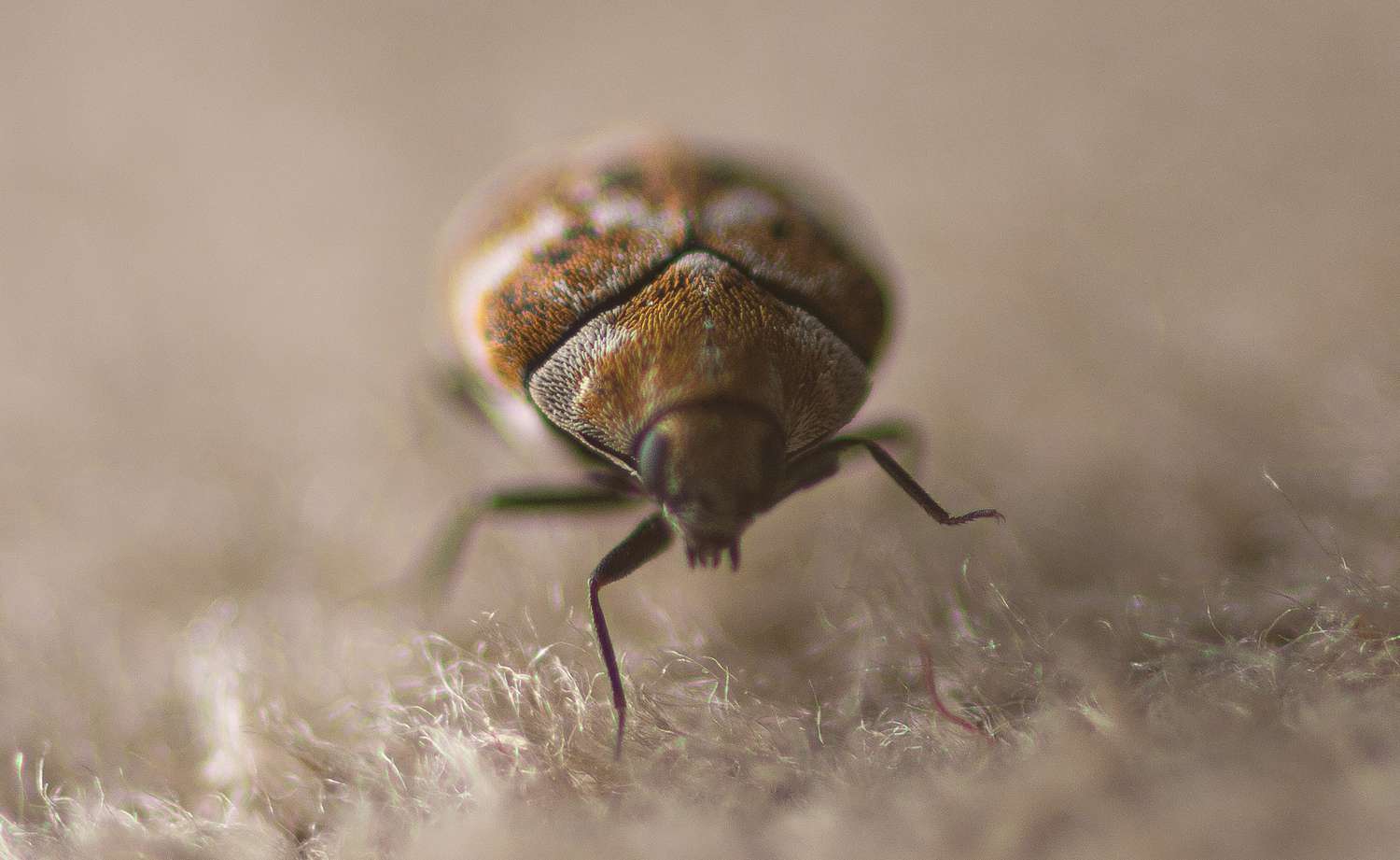
Carpet beetles are a common household pest, especially in properties with natural fabrics such as wool, silk, feathers, and leather. The adult beetles are often spotted near windows, but it’s the larvae (small, fuzzy, caterpillar-like insects) that cause the real damage to carpets, upholstery, and stored clothing.
If you’re seeing unexplained holes in fabrics, shed skins, or larvae around skirting boards, it’s best to act early — infestations can build quietly in hidden areas.
Professional Carpet Beetle Control Services in the UK
Carpet beetles are small insects, but their larvae can cause surprisingly expensive damage in homes and businesses. They feed on organic materials found in many everyday items — especially natural fibres — which makes carpets, rugs, upholstery, and stored clothing prime targets.
Why Carpet Beetles Are a Problem
Most people first notice carpet beetles when they see adult beetles near windows or lights. However, the real issue is often hidden: larvae tend to stay in dark, undisturbed areas (under furniture, in vents, behind skirting boards, and inside cupboards) while feeding and shedding skins.
What Carpet Beetle Larvae Eat
- Wool, silk, felt, and other natural fibres
- Feathers, fur, leather, and upholstery stuffing
- Pet hair, lint build-up, and dead insects
- Stored clothing, blankets, and rugs in cupboards/lofts
Common Places We Find Activity
- Along skirting boards and carpet edges
- Under sofas, beds, wardrobes, and heavy furniture
- Inside air vents and floor voids where dust collects
- In cupboards, storage boxes, and rarely disturbed rooms
Can You Treat Carpet Beetles Yourself?
Minor infestations can sometimes be reduced with thorough vacuuming, deep cleaning, and removing affected fabrics. The challenge is that larvae and eggs often sit in hidden areas you can’t easily reach — which is why many infestations return.
How We Help
Shire Pest Solutions provides a clear, practical approach to carpet beetle control:
- Inspection: Identify likely harbourage areas and the cause of recurrence.
- Treatment: Targeted insecticide application across all relevant floor and edge areas.
- Advice: Straightforward prevention guidance to reduce the chance of re-infestation.
Prevention Advice That Works
- Vacuum regularly — especially edges, vents, under furniture, and dark corners
- Wash or dry-clean natural fibre items before long-term storage
- Inspect second-hand furniture and textiles carefully before bringing indoors
- Reduce dust and pet hair build-up, and keep storage areas ventilated
If you suspect carpet beetle activity (or you’re unsure what you’re seeing), get in touch — we’ll help you identify the problem and recommend the best next step.
Carpet Beetle Control FAQ
More About Shire Pest Solutions
Shire Pest Solutions is a trusted and local pest control company proudly serving homes and businesses across Oxfordshire and beyond. We have built our reputation on professionalism, reliability, and fast response times, specialising in the safe and effective removal of pests including ants, wasps, rodents, bed bugs, and more.
Our expert technicians hold full qualifications and use the latest tools and treatments to resolve pest problems quickly and safely—without unnecessary disruption. Whether you face a minor domestic issue or a large-scale commercial infestation, we design our services to meet your needs with minimal fuss and maximum effectiveness.
Based locally, we regularly assist customers in Didcot, Wallingford, Abingdon, Wantage, Witney, Newbury, Thame, Thatcham, and Stokenchurch. Our knowledge of the local area enables us to provide rapid call-outs and treatments that are suited to the unique pest challenges of each location.
At Shire Pest Solutions, we don’t just eliminate pests—we stop them from returning. We offer transparent pricing with no hidden fees, and we dedicate ourselves to customer satisfaction, making us the go-to pest control provider for homeowners, landlords, and commercial clients alike.
Contact us today to arrange a call-out or find out more about our pest control services across Oxfordshire and surrounding areas.
Recent Comments