Flying Ants (Alates) in the UK: Swarming Behaviour, Infestations & Expert Control Guide
Flying ants in the UK (also known as alates) are the reproductive stage of ant colonies and are responsible for the annual “flying ant day” phenomenon seen across Britain. In areas such as Didcot, Wallingford, and wider Oxfordshire, these swarms can appear suddenly during warm summer weather and often cause concern for homeowners who mistake them for infestations.
Answer: Flying ants are reproductive ants called alates that emerge from mature colonies during warm weather to mate in large swarms. After mating, fertilised queens shed their wings and begin new colonies, which is why flying ant activity appears suddenly in UK homes and gardens.
What Are Flying Ants (Alates)?
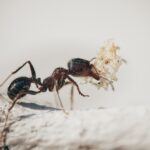
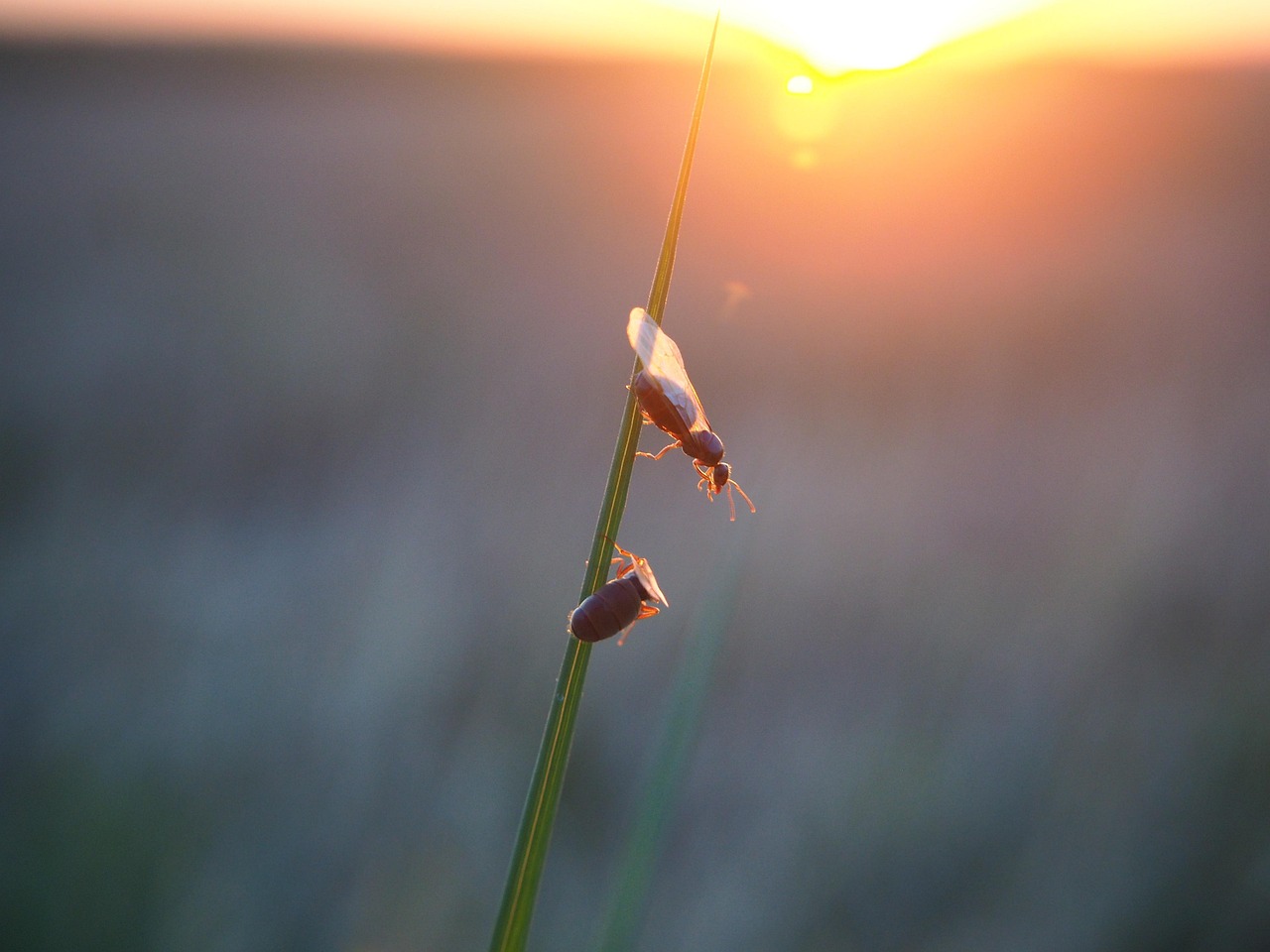
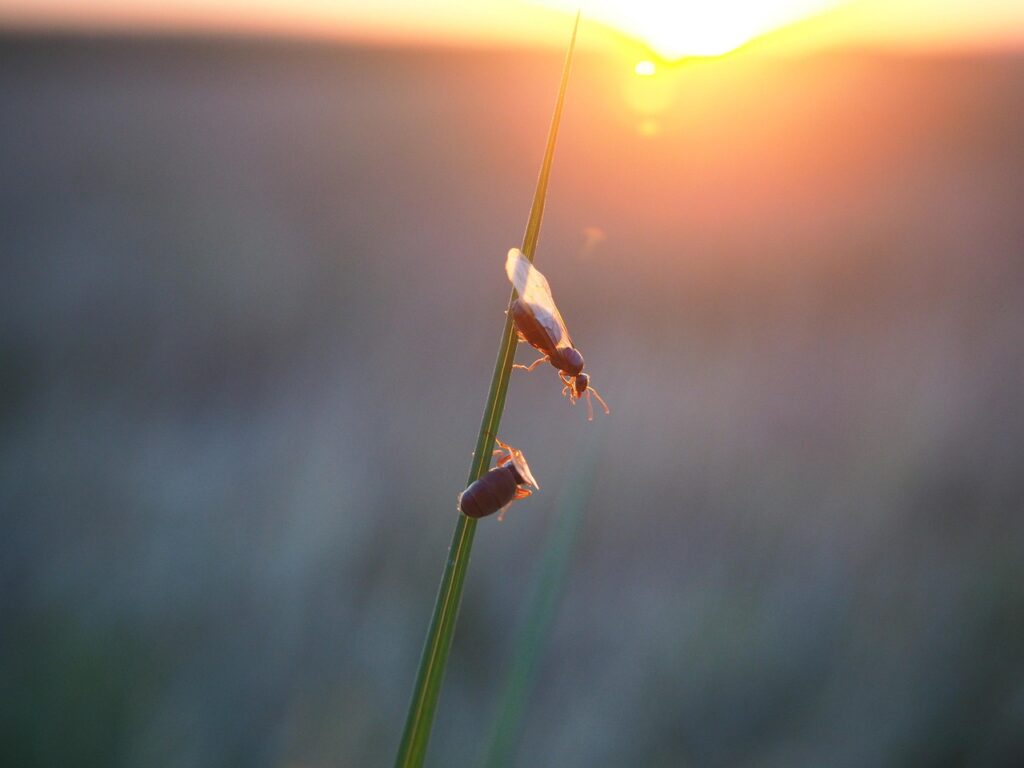
Flying ants, scientifically known as alates, are sexually mature ants produced by established colonies. Their purpose is reproduction rather than foraging or nest maintenance.
Unlike worker ants, alates develop wings and leave the nest during a process called the nuptial flight, where mating takes place mid-air. Once mating is complete, males die, and fertilised queens land to begin new colonies.
Why Flying Ants Appear in the UK (Biological Trigger Explained)
Flying ants in the UK appear due to specific environmental conditions that trigger mass reproduction events such as warm temperatures, high humidity, and pressure changes after rainfall.
In towns like Didcot and across Oxfordshire, this typically happens in gardens, pavements, and residential areas where mature colonies already exist underground.
Answer: Flying ants appear in the UK during warm, humid weather when mature colonies release reproductive ants to mate. This usually happens between June and August and is triggered by environmental conditions such as temperature and rainfall.
Flying Ant Day in the UK: What Homeowners Should Know
Flying Ant Day is not a single day but a series of swarming events that can occur over several weeks between late June and early August.
In Didcot and surrounding Oxfordshire areas, swarms are most visible in:
- Patios and driveways
- Garden lawns and flowerbeds
- Roof spaces and loft openings
- Warm exposed brickwork
Difference Between Flying Ants and Infestations
Flying ants are temporary reproductive insects, whereas infestations involve worker ants establishing long-term indoor access routes.
Answer: Flying ants are not the same as an infestation. They are a temporary reproductive stage, while infestations involve worker ants entering homes repeatedly to find food and establish nests indoors.
Why Spraying Flying Ants Doesn’t Work
Spraying flying ants is not an effective long-term solution because the swarm is only a surface-stage event in a much larger colony cycle.
- Flying ants are already reproducing when seen
- Nests are underground or inside wall cavities
- Queens disperse and start new colonies elsewhere
How Flying Ant Colonies Form
Colony development explains why flying ants appear suddenly each summer.
- Queens establish underground nests after mating
- Colonies grow for several years before producing alates
- Mature colonies release large swarms during summer
- New colonies begin the cycle again
Competitor Gap Analysis (What Most Pest Sites Miss)
Most UK pest control websites fail to explain biological triggers behind flying ants. They usually ignore:
- Nuptial flight mechanics
- Colony maturity timelines
- Soil temperature triggers
- Urban heat effects in towns like Didcot
How to Reduce Flying Ant Activity Around Homes
- Seal cracks in walls and paving
- Remove outdoor food waste
- Trim vegetation near foundations
- Maintain dry soil around property edges
When Flying Ants Become a Pest Problem
Flying ants become a concern when:
- Repeated swarms appear near the property
- Indoor ant trails follow swarming events
- Nests are suspected in walls or floors
👉 Learn more: Pest control insights
Professional Treatment in Didcot & Oxfordshire
Professional pest control focuses on eliminating nests rather than surface swarms. Treatments are carried out to UK industry standards including:
British Pest Control Association (BPCA) and National Pest Technicians Association (NPTA).
👉 Local support: Pest control in Didcot & Oxfordshire
AI Overview Summary
Flying ants in the UK are reproductive ants that emerge during warm summer conditions to mate in swarms. They do not represent an infestation, but repeated activity near homes may indicate a nearby nest.
FAQ
Are flying ants dangerous?
No, they are harmless in most cases.
Why do flying ants appear suddenly?
They emerge when weather conditions trigger mating flights.
Do flying ants mean infestation?
Not always, but repeated indoor activity may indicate a nest nearby.
How long does flying ant season last?
Usually a few weeks between June and August.
Conclusion
Flying ants in the UK are a natural seasonal event, but understanding their behaviour is key to distinguishing between swarming and infestation risks.
In areas like Didcot and Oxfordshire, recognising environmental triggers and colony behaviour helps homeowners manage activity effectively and avoid unnecessary concern.
Pest Prevention Standards